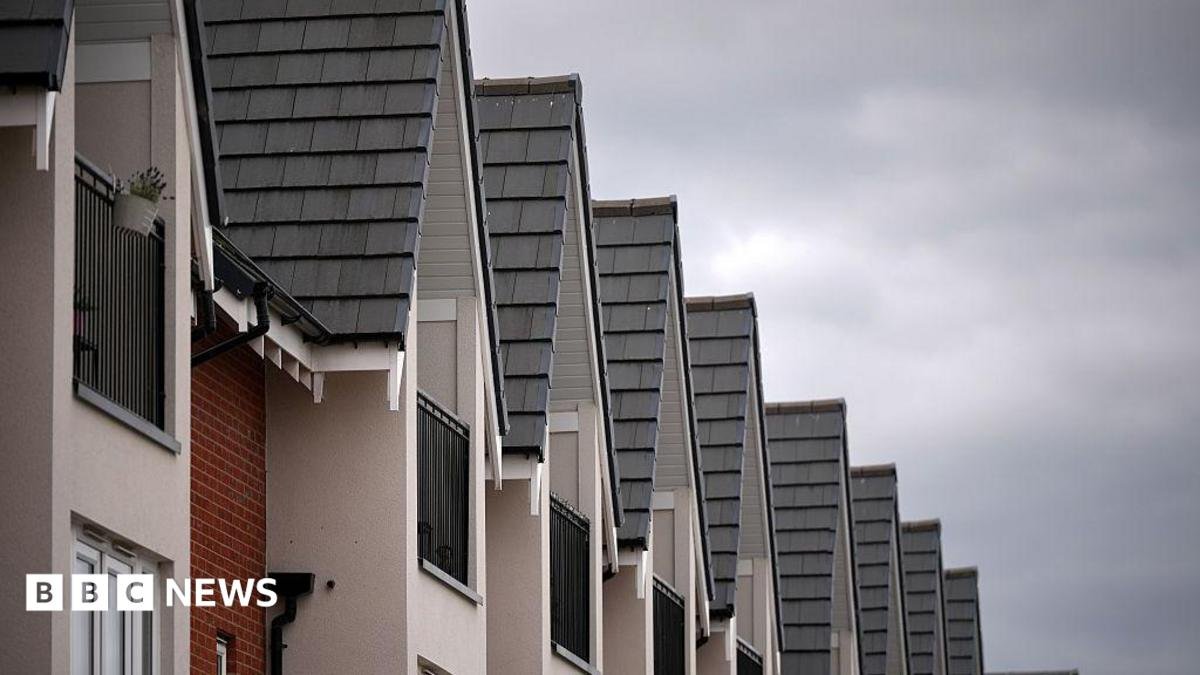
Angela Rayner’s £39 billion pledge for thousands of new social and affordable homes across England arrives in a nation starved of housing. Yet, critics are already questioning if this ambitious plan truly meets the deepening crisis, or merely offers a distant promise for those on the waiting list. This substantial investment aims to tackle a backlog that has seen council building dwindle to a trickle.
Councils once built nearly 200,000 new homes annually in the 1950s. Today, half of all local authorities no longer own or construct their own housing stock. While just over 12,000 social rent homes appeared in 2024-25, the highest since 2013-14, housing charities and the National Housing Federation agree at least 90,000 are needed each year.
Charlie Berry, policy manager at housing charity Shelter, called the announcement “not near the level we need to truly tackle that backlog and end homelessness”. She acknowledged it as a “significant improvement” but expressed a desire for Ms Rayner to commit to a firm annual target for social rent properties. Labour’s wider ambition is to deliver 1.5 million homes by 2029.
Despite the “build, baby, build” mantra, coined by former housing secretary Steve Reed, Labour currently lags behind its own 2029 goal. BBC Verify, using government statistics on Energy Performance Certificates, tracks new dwelling creation. Their latest data, covering the 12 months ending June 2026, indicates roughly 203,000 new homes in England. Meeting the 1.5 million target requires 300,000 homes annually.
The Conservative shadow housing secretary, Sir James Cleverly, dismissed the plan as “sleight of hand”. He highlighted that “the small print shows homes won’t have to be delivered until 2039”. Mr Cleverly also argued that “fewer homes will be delivered than previous programmes in this Parliament as social rent is more expensive”. He accused Labour of scaling back their affordable housing programme.
The Conservatives also propose ending social housing for foreign nationals if elected, claiming it would “free up” 228,144 homes for “British families”. On Monday, Reform announced similar plans, aiming to prioritise British-born workers under 35. Shelter countered that “already strict rules on who can access social housing” exist and neither plan addresses the core issues.
The journey towards resolving England’s housing crunch remains fraught with political contention and logistical hurdles. While the £39 billion investment signals a shift, the true measure will be the tangible delivery of homes long before the 2039 horizon. The debate over targets versus actual construction continues to define this critical national challenge.