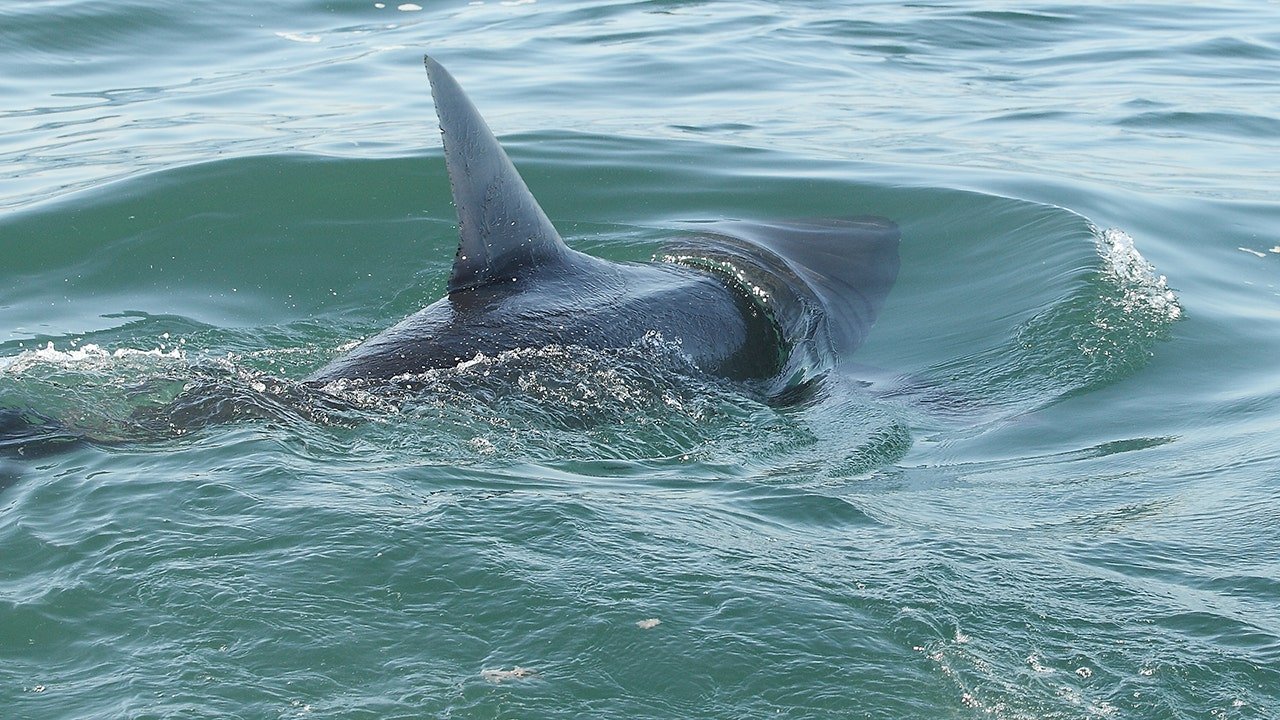
A swimmer at Jones Beach State Park Field 6 suffered foot lacerations over the Fourth of July weekend after an encounter with a shark. The New York State Department of Environmental Conservation determined a small sand tiger shark was likely responsible for the non-life-threatening injuries.
The incident triggered a temporary closure of the beach while officials searched for more predators. The area reopened to restricted swimming after one hour. This bite is part of a wider summer spike in sightings across the East Coast, reported Fox News.
Rockaway Beach in Queens has faced a particularly restless season. The New York City Department of Parks and Recreation confirmed 23 shark sightings and 23 closures since May. Sixteen of those sightings occurred within the first five days of July alone.
The city’s emergency management agency urged those escaping the heat to follow lifeguard guidance, according to Fox Weather. Nearby, the Associated Press reported a July 2 sighting off Point Lookout that shut down that beach and neighbouring Hempstead shores.
The surge may not be a change in shark behaviour, but a change in how we watch them. Governor Kathy Hochul announced in May that the state was enhancing surveillance with new drones and operators along Long Island State Park beaches.
Better eyes in the sky often create the illusion of more danger. Gavin Naylor, director of the Florida Museum of Natural History’s shark research program, told the AP that shark bites remain rare when alert systems are active.
Other regions are moving toward digital alarms. Alabama recently passed the Lulu Gribbin Shark Alert System Act, named after a survivor who lost a hand and part of a leg. US Senator Katie Britt told the AP the law sends emergency warnings to cellphones.
Naylor noted to the AP that the chance of a second bite within three hours of an alert is incredibly small. Swimmers can now use the OCEARCH Shark Tracker to follow tagged sharks via satellite throughout the remainder of the summer.