

GENEVA: The World Health Organisation said a lack of data was making it challenging to help China manage the risks of a COVID-19 surge over the Chinese New Year holiday, as the world’s second-largest economy reopens after three years of isolation.
The holiday, known before the pandemic as the world’s largest annual migration of people, comes amid an escalating diplomatic spat over COVID-19 curbs that saw Beijing introduce transit curbs for South Korean and Japanese nationals on Wednesday (Jan 11).
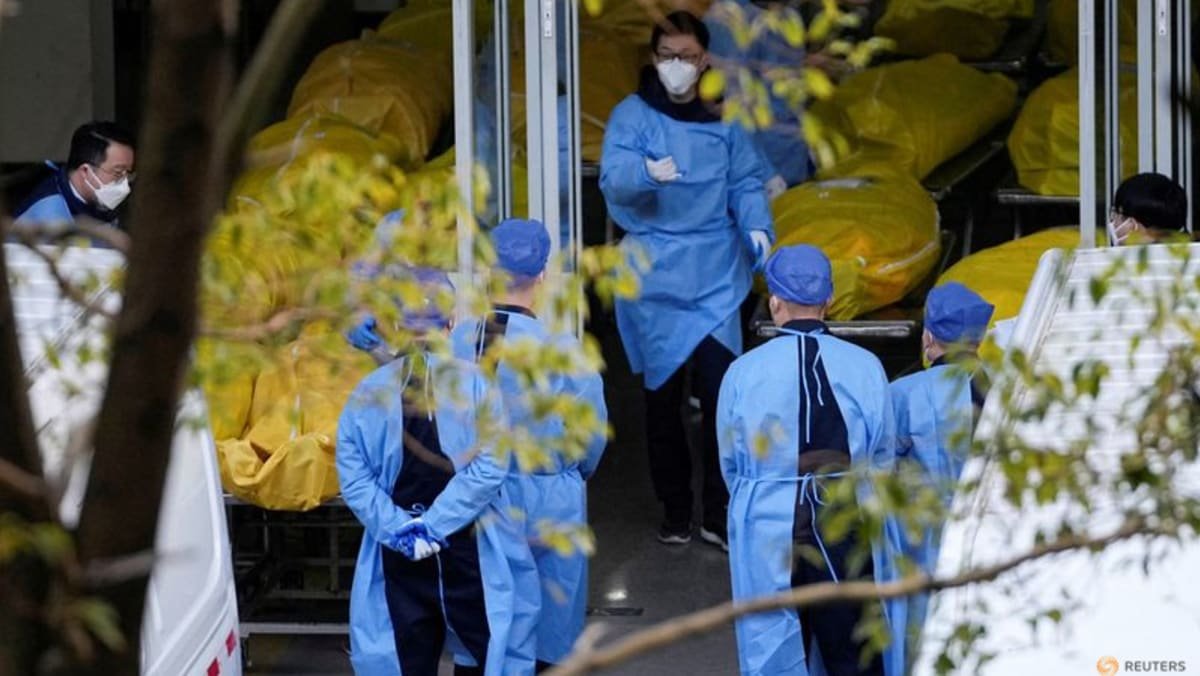
The virus is spreading unchecked in China after Beijing abruptly began dismantling its previously tight curbs in early December following historic protests.
The WHO said it still does not have enough information from China to make a full assessment of the dangers of the surge.
“We’ve been working with our China colleagues,” said Abdi Rahman Mahamud, director of the WHO’s alert & response coordination department, who said the country has a number of strategies around people travelling from high-risk to low-risk areas, as well as around testing and clinics.
“But to understand better we require that data,” he added.
That was also an issue in working with China on how to mitigate the risks of travel ahead of the Chinese New Year, which officially runs from Jan 21, the WHO said.
TRAVEL RESTRICTIONS
China removed quarantine mandates for inbound travellers on Sunday, one of the last vestiges of the world’s strictest regime of COVID-19 restrictions.
But worries about the scale and impact of the outbreak prompted more than a dozen countries to demand negative COVID-19 test results from people arriving from China.
Among them, South Korea and Japan have also limited flights and require tests on arrival, with passengers showing up as positive being sent to quarantine. In South Korea, quarantine is at the traveller’s own cost.
In response, the Chinese embassies in Seoul and Tokyo said on Tuesday they had suspended issuing short-term visas for travellers to China, with the foreign ministry slamming the testing requirements as “discriminatory”.
That prompted an official protest from Tokyo, while South Korean foreign minister Park Jin said that Seoul’s decision was based on scientific evidence, not discriminatory and that China’s countermeasures were “deeply regrettable.”
Deepening the spat, on Wednesday, China’s immigration authority suspended its transit visa exemptions for South Koreans and Japanese.
The escalating dispute may affect economic relations between the neighbours.
Japanese department store operator Isetan Mitsukoshi Holdings and supermarket operator Aeon Co said they may have to rethink personnel transfers to China depending on how long the suspension lasts.
“We won’t be able to make short-term business trips, but such trips had dwindled during COVID anyway,” said a South Korean chip industry source who declined to be identified. “But if the situation lasts long, there will be an effect.”
China requires negative test results from visitors from all countries.
Source: CNA