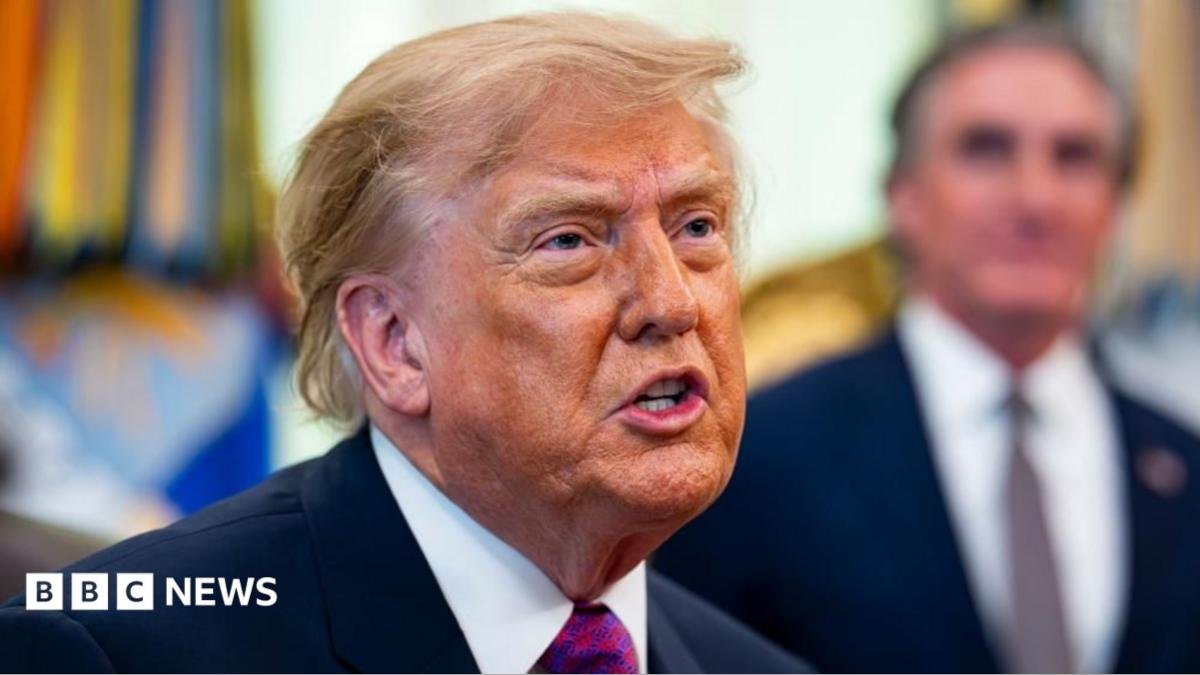
Donald Trump has trumpeted a ‘historic’ deal for the US to control 65 billion barrels of Venezuela’s oil, a claim sparking immediate legal and constitutional questions. The former president’s assertion suggests direct governance over a foreign nation’s sovereign resources. Its reported scope even dwarfs the US-led Coalition Provisional Authority’s control over Iraq’s oil revenues after 2003.
The official text of this agreement between Washington and Caracas remains unpublished. This opacity fuels significant doubts within Venezuela. Henrique Capriles, a moderate opposition lawmaker, cited government ‘opacity and corruption’ as raising many questions. He demanded an explanation of the deal’s legal basis and what the Venezuelan people would receive.
Energy consultant David Goldwyn told Reuters there was ‘no precedent’ for the US government leasing Venezuelan oil fields. He questioned if such a move would violate Venezuela’s constitution or its hydrocarbons law. Accelerating investment at any material scale, he added, seemed unlikely. He cited Venezuela’s political uncertainty, weak power grid, and limited export capacity.
Oil and gas lawyer Alexander Kuiper told the BBC the deal could be ‘very significant’. However, he cautioned it was ‘definitely a headline to help with oil prices’. Mr Kuiper questioned whether these reserves would translate into actual investment, and how long such efforts would take to produce results.
Rachel Ziemba, from The Center for New American Security, said the agreement might spur job growth and imports in Venezuela. Yet, she told the BBC News Channel, too few details existed to gauge the true impact. Ms Ziemba added it was ‘unlikely to have any material impact on global oil supplies in the next month or even the next year’.
This is not just about logistics. Venezuela’s enormous 303 billion barrels of proven reserves are ‘heavy, sour’ oil. This type is harder to refine and primarily used for diesel and asphalt. The US, however, typically produces ‘light, sweet’ oil, more suitable for making petrol.
The Wall Street Journal reported on Friday that US energy firms Chevron and Halliburton were nearing deals worth billions. These would overhaul infrastructure in Venezuela’s undeveloped oil fields. Trump’s framing of this deal aims to drive down domestic petrol prices. This comes as global oil prices have jumped due to supply issues via the Strait of Hormuz, ahead of November’s US midterm elections.
Trump has previously claimed rights to Venezuela’s oil, accusing the country of seizing American assets. He has asked US oil firms to invest at least $100 billion (£75 billion) to restore the industry. However, the path from bold claims to actual barrels remains long and legally fraught. The real impact on global markets, or US petrol pumps, looks distant, despite the pre-election rhetoric.