

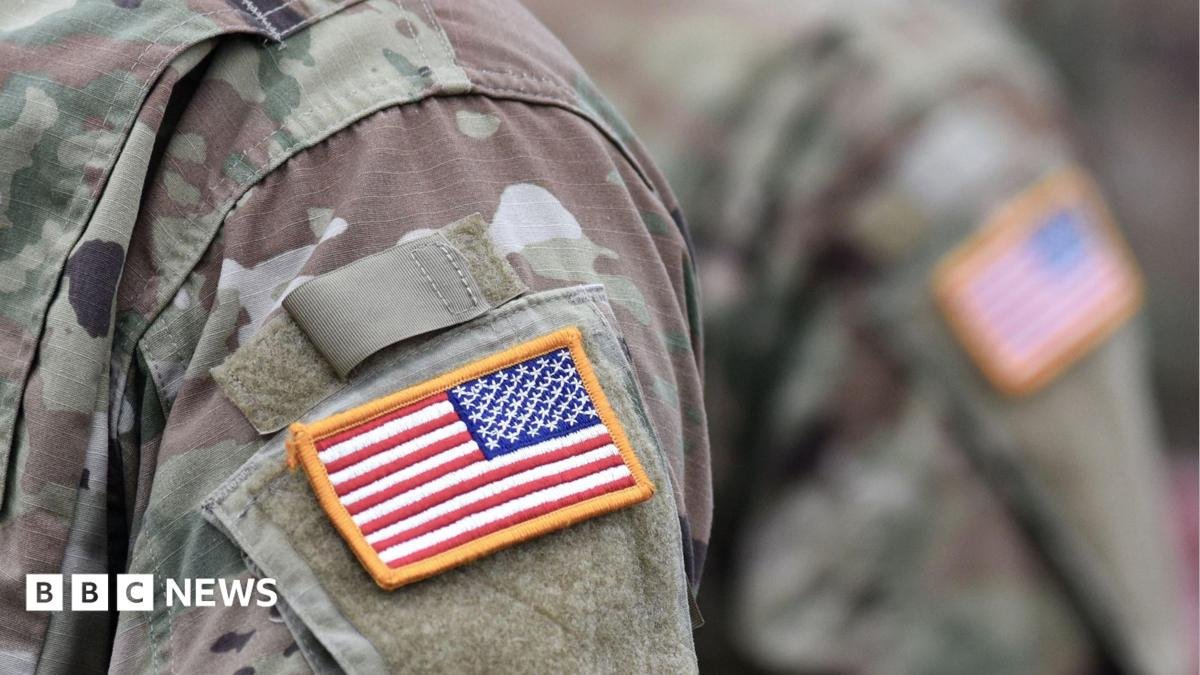
Two US service members were killed and one remains missing after an Iranian missile and drone attack in Jordan on Friday. Washington immediately launched retaliatory air strikes against Iran on Saturday night, igniting fears of a wider regional conflict.
US Central Command (Centcom) reported four service members were medically evacuated to Jordanian hospitals, later discharged, while others with minor injuries returned to duty. The US strikes, the eighth consecutive night of action, were directed by President Donald Trump. They aim to “further degrade Iran’s ability to threaten commercial shipping in the Strait of Hormuz,” according to Centcom.
This swift US action follows a week of renewed hostilities. Washington had reimposed its blockade of Iranian ports, prompting Tehran to declare the Strait of Hormuz closed. A preliminary ceasefire, initiated less than a month ago, has now collapsed entirely.
Iran’s Supreme Leader Mojtaba Khamenei declared the US president’s “signature is utterly worthless and devoid of credibility” in a Saturday statement. He accused America of seeking to “escalate the conflict,” promising “unforgettable lessons” in return. Jordan’s military earlier reported intercepting 10 Iranian missiles overnight without damage.
The US death toll in the wider conflict has now risen to 16, after an American Navy pilot missing earlier this month was declared dead. Centcom confirmed the Jordan deaths, stating it would withhold identities for 24 hours out of respect for families. US Defence Secretary Pete Hegseth wrote on X: “Godspeed, heroes. Their sacrifice only stiffens our resolve.”
Meanwhile, the Islamic Revolutionary Guard Corps (IRGC) claimed to have destroyed at least two US fighter aircraft on Jordan’s Al-Azraq base, according to Iranian state media. The BBC contacted Centcom, which declined to add further details. The US Department of State issued a global notice, advising Americans to exercise “increased caution,” particularly in the Middle East.
The travel notice urged those in the region to “monitor the news for breaking developments,” citing “heightened tensions.” It warned of a “security environment” that remains “complex with the potential for unforeseen escalation.” This suggests a volatile future, with little immediate prospect for de-escalation.