

“Regional governments must take this issue super seriously,” he urged. “It is a wake-up call for all of us that the issue of terrorism will not go away anytime soon, especially the issue of social integration of released terrorists.”
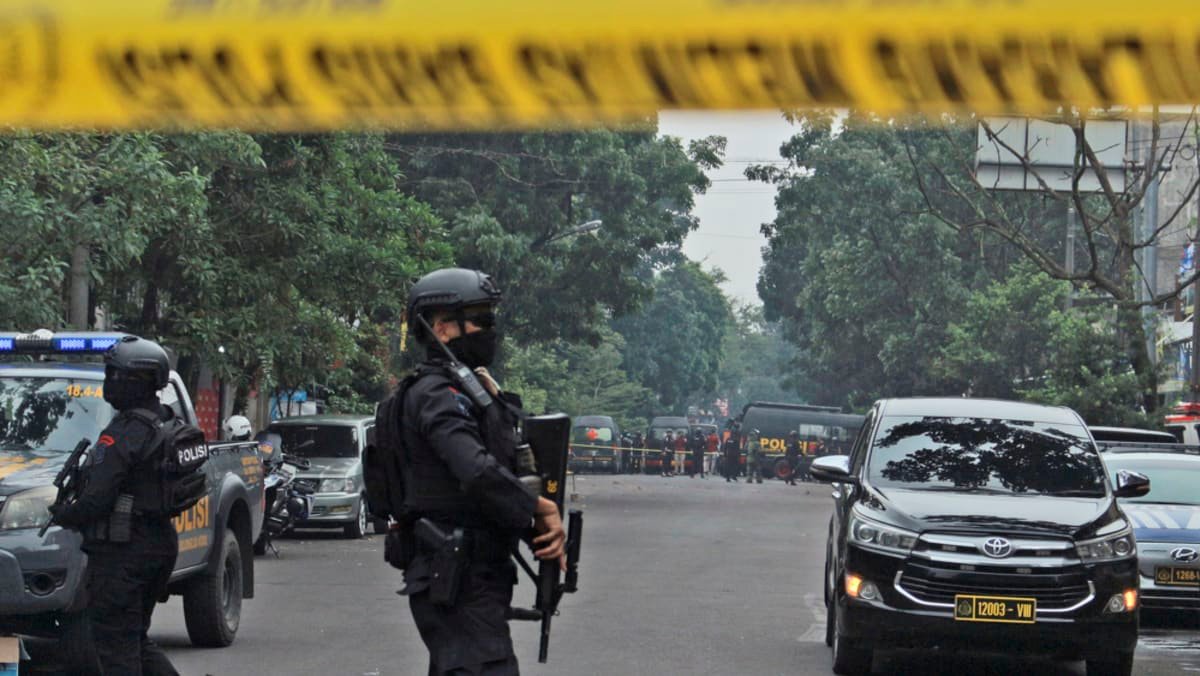
Noting that Wednesday’s suicide attack in Bandung was also carried out by a released terrorist, Dr Huda said it suggests that the possibility of relapse or recidivism is still high in Indonesia.
The suicide bomber, Agus Sujatno, carried out the attack which killed a police officer and wounded at least 10. He was angered by Indonesia’s new criminal code.
He is allegedly affiliated with the Islamic State-inspired group Jamaah Ansharut Daulah and was released in late 2021 after being jailed on terrorism charges.
“Statistically speaking, at least 10 per cent of your released terrorists will relapse,” said Dr Huda, adding that this does not include undetected ones in new roles indirectly involved in the violence, such as giving directions or sharing contacts.
He added that terrorism is a threat not just for the Indonesian government, but for others in the region too. He noted that Jemaah Islamiyah, the group Patek was part of, has attracted people from Singapore, Malaysia and the Philippines.
Source: CNA